


Fischgut Primus – Ihre Stör und Fischfarm
Fischzucht seit 1926.
Machen Sie einen Ausflug zum Fischgut Primus
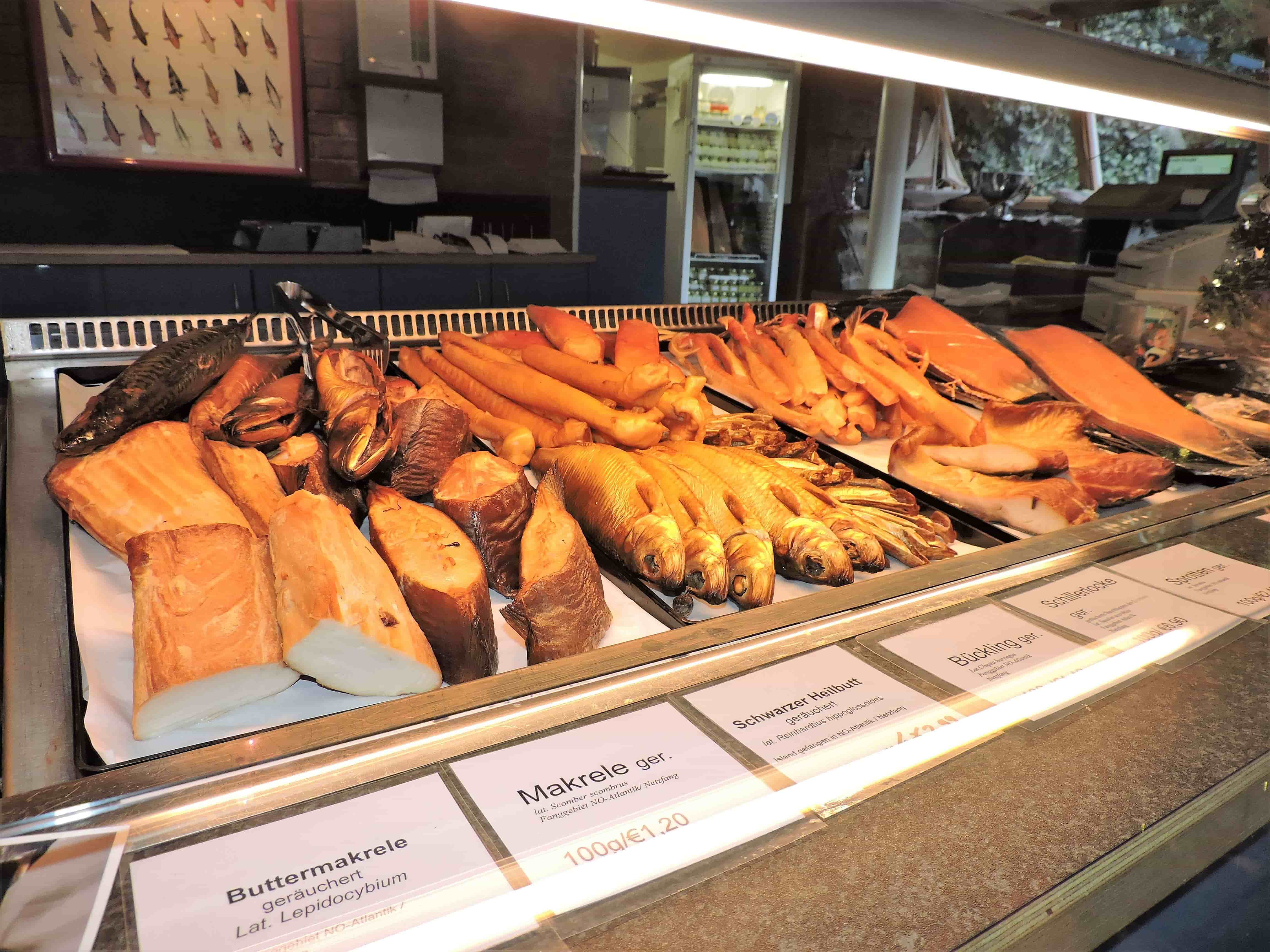
Fischfeinkost
Die direkte Vermarktung von Frischfisch, Räucherfisch, sowie eine weitere Veredelung von Speisefischen findet direkt in unserer Anlage statt. Wir freuen uns auf Ihren Besuch!
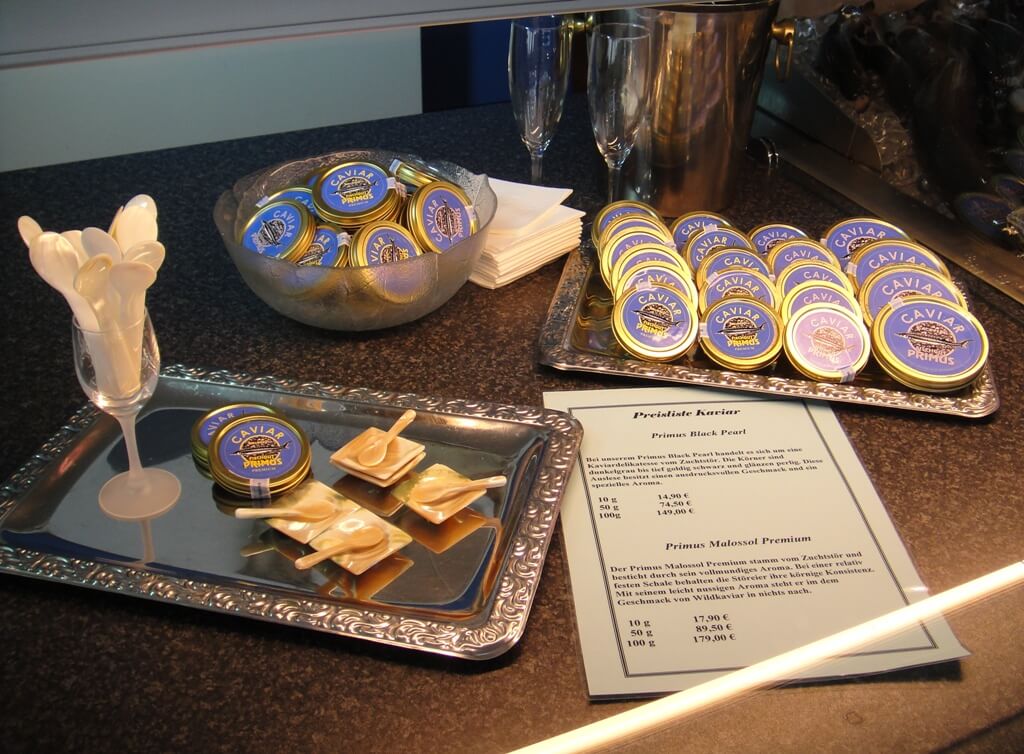
Kaviar aus dem Sauerland
Echter Kaviar aus dem Sauerland – gibt es das? Auf dem Fischgut Primus in Iserlohn können Sie die Kaviar-Produktion selbst miterleben und unsere Produkte kosten.
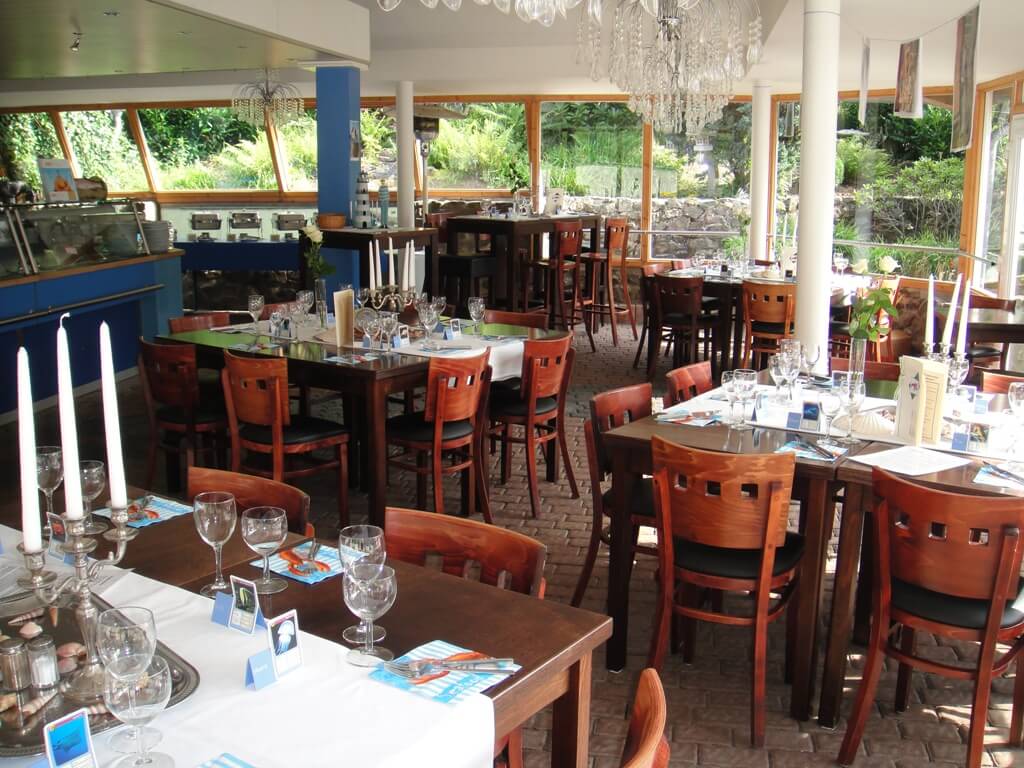
Restaurant
Unser Fischgut-Restaurant bietet Platz für Ihre Feierlichkeiten. Warm-kaltes Buffet und Speisen à la carte warten auf Sie. Unser Restaurant muss immer vorab reserviert werden!
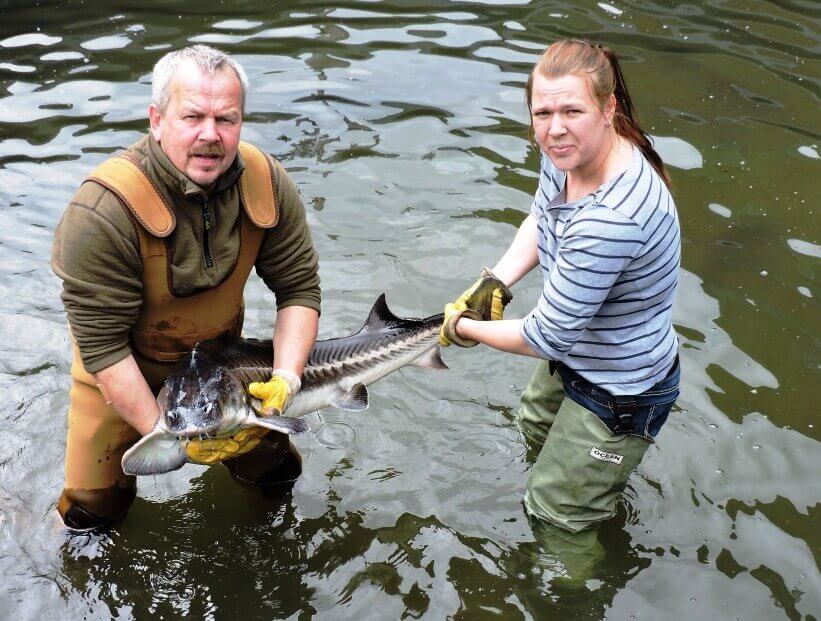
Erlebnisführung
Schauen Sie hinter die Kulissen einer außergewöhnlichen Fischzucht, in der neben einzigartigen Stören auch der berühmte japanische Koikarpfen gezüchtet wird.
Sie sehen gerade einen Platzhalterinhalt von YouTube. Um auf den eigentlichen Inhalt zuzugreifen, klicken Sie auf die Schaltfläche unten. Bitte beachten Sie, dass dabei Daten an Drittanbieter weitergegeben werden.
Mehr InformationenAktuelles
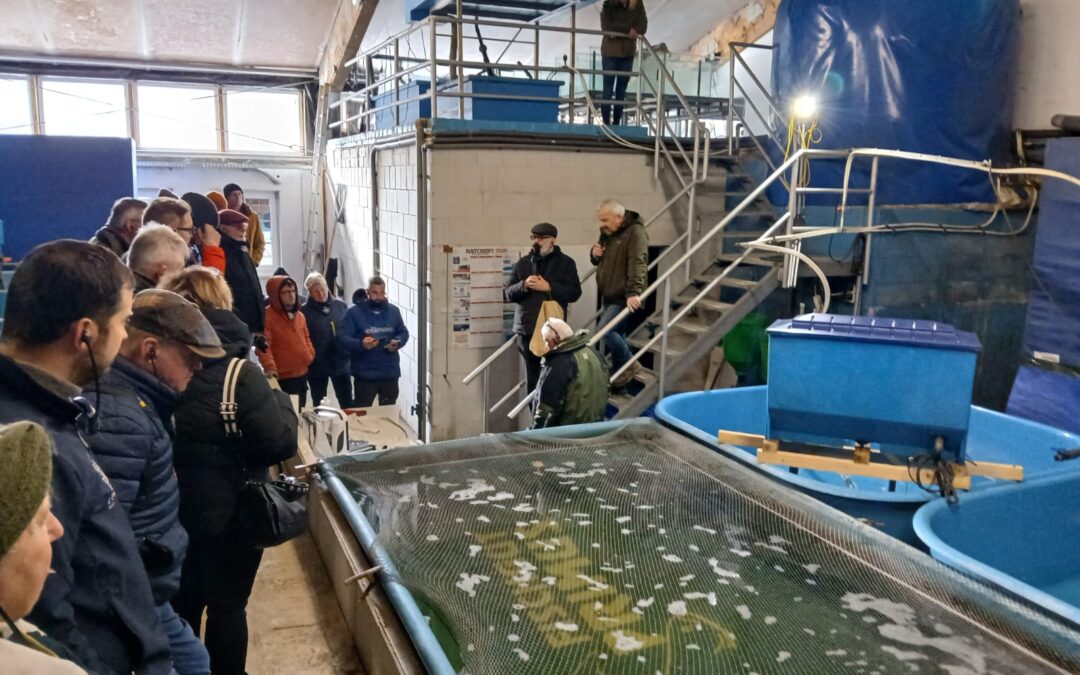
Internationale Studienreise zu Gast auf dem Fischgut Primus – eine klare Erfolgsgeschichte unserer Kompetenz
Am Montag, 9. Februar 2026, empfing das Fischgut Primus eine internationale Besuchergruppe aus Wallonien (Belgien). Im Rahmen eines FEAMPA-geförderten Projekts des Europäischen Fonds für Maritime Angelegenheiten, Fischerei und Aquakultur (Chargé de mission...
Projektbeschreibung – Dachsanierung und Installation einer Photovoltaikanlage mit Stromspeicher am Fischgut Primus
Im Jahr 2025 hat der Aquakulturbetrieb Fischgut Primus in Iserlohn seine Hallendächer umfassend saniert und energetisch ertüchtigt, um darauf eine leistungsfähige Photovoltaikanlage zu installieren. Im Zuge der Sanierung wurden die Dachflächen vollständig gedämmt....

Die Frau, die mit Stören schwimmt
„Mein Arbeitstag hat meistens zehn Stunden und auch am Wochenende müssen die Tiere natürlich versorgt werden“, berichtet Vivien…

Fernsehbericht vom 16.07.2025 ZDF Mittagsmagazin
(Beitrag beginnt bei: 1:02:26)
Lernen Sie uns kennen
Seit 1926 wird auf dem heutigen Fischgut Primus Fischzucht betrieben. Mittlerweile sind wir mit unserer Koi- und Störfarm, mit unseren Speise-, Zier- und Besatzfischen sowie mit unserem nachhaltigen Anlagenbau weit über die Grenzen Deutschlands hinaus bekannt.
Sie sehen gerade einen Platzhalterinhalt von Google Maps. Um auf den eigentlichen Inhalt zuzugreifen, klicken Sie auf die Schaltfläche unten. Bitte beachten Sie, dass dabei Daten an Drittanbieter weitergegeben werden. Mehr Informationen
Kontakt
Adresse
In der Bräke 8
D-58644 Iserlohn
Telefon & E-Mail
+49 (0) 2371 – 510 43
info@fischgut-primus.de
Öffnungszeiten
Montag: 10:00–13:00 & 14:00–17:00
Dienstag: Ruhetag
Mittwoch – Freitag: 10:00–13:00 & 14:00–17:00
Samstag: 10:00–13:00
Sonntag: Ruhetag [Termine nach Vereinbarung]
Bestellungen können Sie selbstverständlich nach telefonischer Absprache auch außerhalb der Öffnungszeiten abholen.